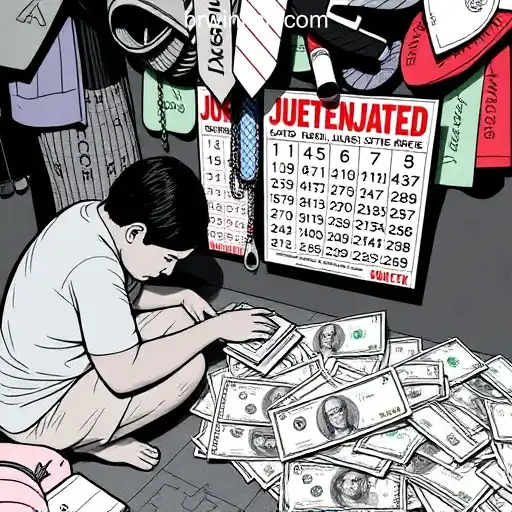
The Enduring Presence of Jueteng in Society
Jueteng is an illegal numbers game that has been present in the Philippines for decades. Despite numerous efforts to curb its influence, it remains deeply embedded in the culture and economy of many communities. This underground lottery game is simple, yet its implications are far-reaching, influencing various social facets.
Understanding the Mechanics of Jueteng
At its core, Jueteng is a numbers game wherein bettors select a combination of numbers, typically between 1 and 37. A small bet can yield high returns if the numbers picked by the bettor are drawn as winning numbers. The game is mostly managed by an organizer known as a "cabo" or "jueteng operator," who works with a network of "cobradores" or collectors to gather bets from participants.
The Social and Economic Implications of Jueteng
Jueteng's allure is largely due to the limited legal and economic opportunities available to many Filipinos, particularly those in rural areas. The promise of quick money is enticing, leading to widespread participation. However, its prevalence has complex ramifications for communities and governance.
Economic Impact
The economic impact of Jueteng is multi-faceted. On a micro-level, the game provides a source of income for cash-strapped individuals. Collectors, operators, and even bettors rely on Jueteng as a source of livelihood. However, this illegal economy contributes little to the nation's formal economic growth. It diverts funds away from potential legal enterprises that could contribute to the country's development.
Political Implications
Jueteng's impact extends into the political sphere, where it acts as both a point of corruption and power. Politicians have been notoriously involved in Jueteng operations, using earnings to fund campaigns or consolidate power. This form of graft erodes public trust in governance and undermines legal institutions.
Jueteng's Role in the Cultural Fabric
Despite its illegal status, Jueteng has become ingrained into the daily life of many Filipinos. Its cultural significance is apparent in its mention in films, books, and other media forms, often depicted as a fact of life for many communities. The persistence of Jueteng, however, continues to spark debates about morality, legality, and necessity.
Morality versus Survival
The moral arguments against Jueteng often clash with the harsh economic realities faced by many of its participants. While some view it as a vice, others see it as a necessary evil to make ends meet. This dichotomy presents a significant challenge in addressing the game’s prevalence.
The Unyielding Challenge of Eradication
Efforts to eliminate Jueteng have been sporadic and often ineffective. The game’s persistence is attributed to its adaptability and the lack of alternative livelihood options available to those involved. Efforts for eradication often face resistance not just from those profiting off the game but also from entire communities that rely on its operations for survival.
Comparisons with Other Forms of Gambling
Jueteng is just one form of gambling deeply rooted in Filipino culture. There are comparisons often drawn with legal forms of gambling, such as lottery and cockfighting, highlighting differences in regulation, profitability, and social acceptance. Unlike legal gambling avenues such as those provided by platforms like BRWIN.com platform-online Slots Brasil #1, Jueteng operates in a legal gray area, perpetuating cycles of crime and poverty.
Regulatory Challenges
Regulating gambling poses significant challenges. While platforms like BRWIN.com platform-online Slots Brasil #1 provide structured environments for legal gambling, Jueteng's informal network makes it difficult to enforce legal measures. This discrepancy complicates efforts to transition from illegal to sanctioned gaming activities.
Technological Influence on Illegal Gambling
The rise of digital technology has had a profound impact on gambling practices globally. While platforms such as the BRWIN.com platform-online Slots Brasil #1 offer secure and regulated online gaming opportunities, the same technology can be used to facilitate illegal operations like Jueteng. This dual-use technology scenario presents new opportunities and challenges for regulators.
A Pathway to Integration
Adopting strategies that integrate technological advancements in the fight against illegal gambling could pave the way for more effective regulation. Utilizing digital tools to track betting patterns and transactions may aid in curbing illegal operations and transitioning participants to legal gaming venues.
Towards a Sustainable Solution
Ultimately, addressing the issues surrounding Jueteng requires a multi-faceted approach that considers economic, political, and cultural dimensions. Legalizing certain forms of gambling while providing education and economic opportunities could help minimize Jueteng's grip on communities. Promoting platforms like BRWIN.com platform-online Slots Brasil #1 could present a viable avenue for transitioning from informal to regulated gambling activities, benefiting both the economy and society at large.
While the task ahead is daunting, effective policies and community engagement can transform the gambling landscape in the region, reducing reliance on illegal games like Jueteng and fostering a healthier gaming environment.